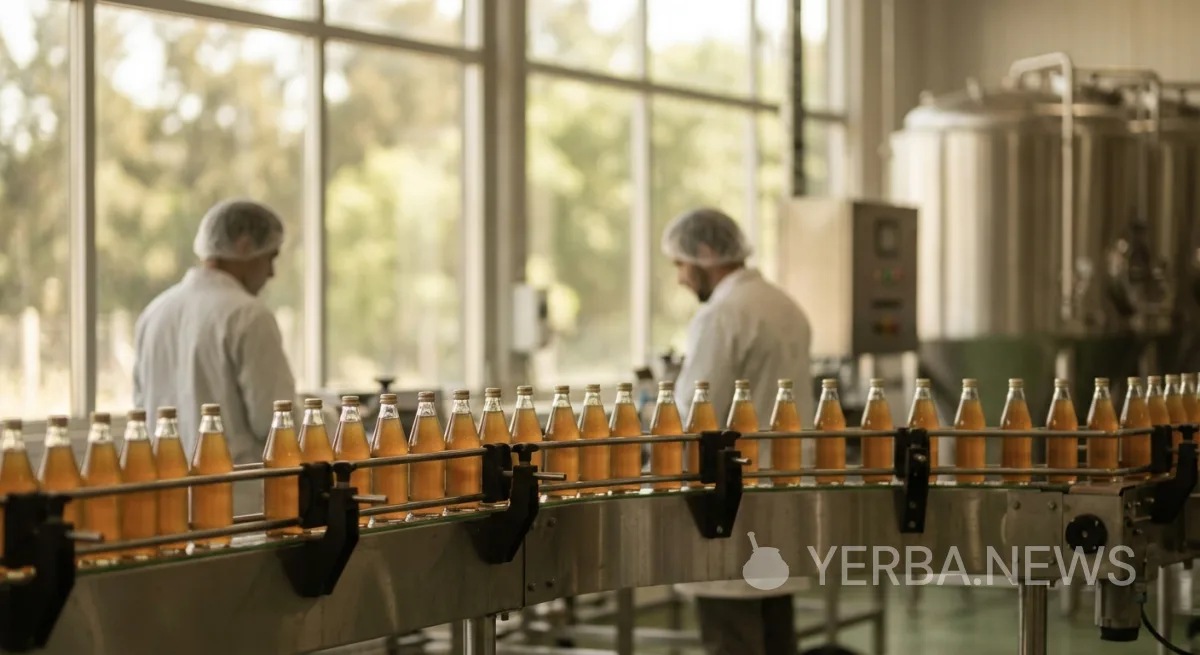
The yerba mate category in the United States has been built primarily by mission-driven independents: Guayakí (now Yerba Madre), CLEAN Cause, Mateína, and a constellation of smaller brands that entered the market through natural grocery channels and grassroots marketing. But the clearest validation of the category's commercial potential may come not from an independent but from the world's second-largest food and beverage company. PepsiCo's Yachak yerba mate brand, reported by BeverageDaily as a natural alternative positioning in PepsiCo's portfolio, represents big beverage's most direct entry into the yerba mate category — and a signal to the industry that multinational CPG investment has arrived.
The Yachak Proposition
Yachak positions itself as an organic, brewed yerba mate beverage — language that distinguishes it from the extract-based formulations used by some competitors. The brand is available in multiple flavor variants and is distributed through PepsiCo's national distribution infrastructure, which includes access to retail chains, convenience stores, vending machines, and food-service accounts that independent brands spend years and millions of dollars trying to crack. This distribution advantage is the core strategic asset: PepsiCo can place Yachak in locations that would be inaccessible to brands relying on natural-channel distribution or DSD (direct store delivery) networks.
What Big Beverage Entry Means for the Category
The entry of a multinational CPG company into yerba mate creates both opportunities and risks for the existing category ecosystem. On the opportunity side, PepsiCo's marketing budget and distribution reach expose yerba mate to consumers who have never encountered the product — an awareness-building function that benefits all brands in the category, not just Yachak. Research on CPG category dynamics consistently shows that the entry of a major player into a niche category expands total category sales rather than merely redistributing existing volume.
The Authenticity Question
On the risk side, the category's identity has been closely tied to values that multinational corporations do not naturally embody: sustainability credentials, direct relationships with South American farming communities, fair-trade supply chains, and mission-driven brand stories. Independent brands have built their consumer relationships on these differentiators, and PepsiCo's entry inevitably raises questions about whether the category's values-based positioning can survive mainstream commercialization — or whether 'big yerba mate' will follow the trajectory of 'big organic,' where category growth came at the cost of the principles that originally defined it.
For South American producers, PepsiCo's participation is a double-edged sword. On one hand, a company with PepsiCo's procurement scale creates a guaranteed buyer of large volumes — a demand signal that can stabilize farmgate prices and justify investment in expanded production. On the other hand, multinational procurement typically drives prices down through competitive bidding and contract standardization, potentially squeezing the margins of the same smallholder cooperatives that independent brands have positioned as the ethical core of their supply chains. How this tension resolves will determine whether the yerba mate category's growth phase produces broadly shared prosperity or the concentration patterns that have characterized other commodity transitions.