The global yerba mate market has quietly emerged as one of the most dynamic segments in the functional beverages industry, crossing the $2 billion threshold in 2022 and showing no signs of slowing down. Fueled by a global shift toward natural, plant-based energy sources and growing scientific validation of its health benefits, yerba mate is transitioning from a regional staple of South American culture to an international commodity with reach across six continents.
Market Valuation and Growth Trajectory
According to data compiled from Allied Market Research, Custom Market Insights, and Straits Research, the global yerba mate market was valued between $1.8 billion and $2.08 billion in 2022. By 2023, estimates from multiple research firms converged around $2.2 billion. The consensus compound annual growth rate (CAGR) falls between 4.8% and 5.7% across the 2023-2032 forecast period, projecting a market size of approximately $3.2 to $3.5 billion by the end of the decade.
Production Dominance: The Big Three
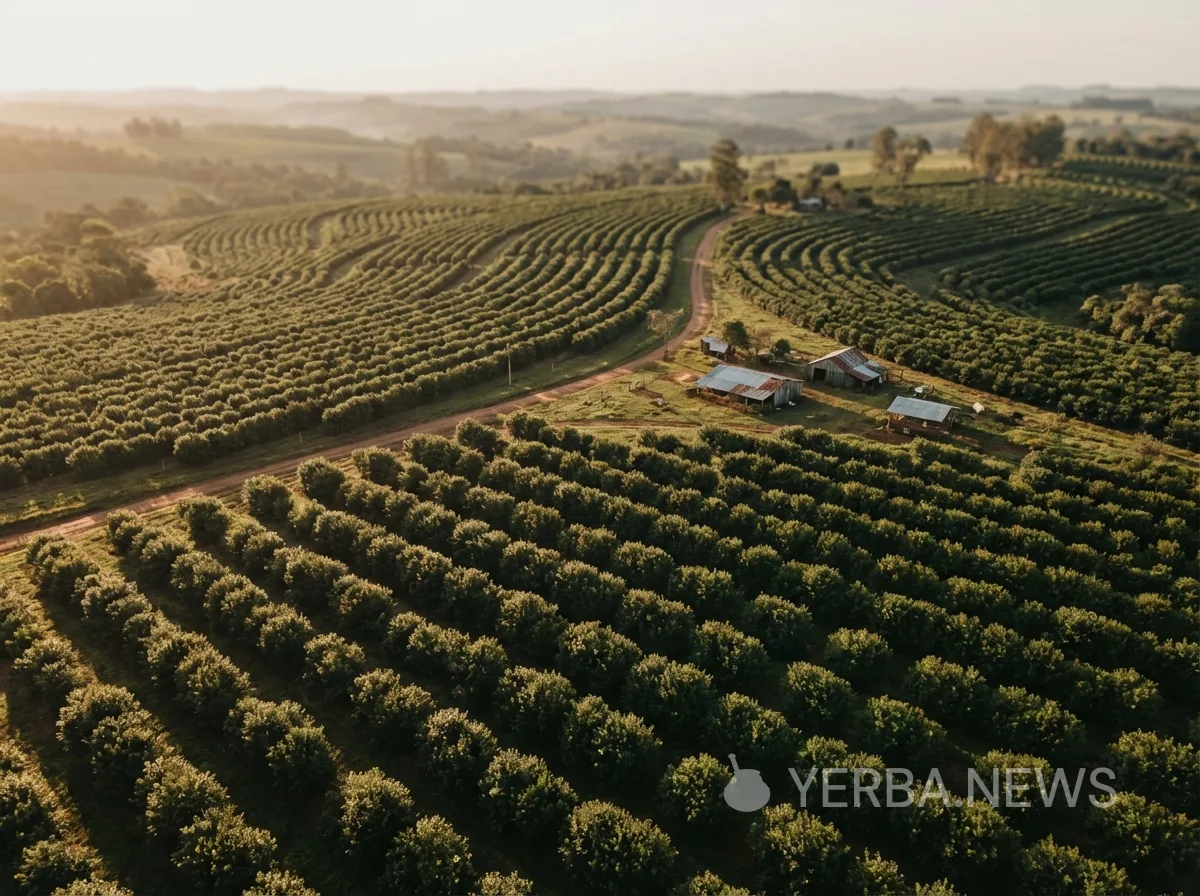
Yerba mate production remains concentrated in three South American nations that together account for over 97% of global output. Argentina leads with 982,258 metric tons of mate leaves produced in 2023, according to Mordor Intelligence, firmly establishing itself as the world's largest producer. The province of Misiones alone accounts for approximately 90% of Argentina's production, with red laterite soils and subtropical climate providing ideal growing conditions for Ilex paraguariensis.
Brazil follows as the second-largest producer, with 2022 output of 619,000 tons, rising to an estimated 737,000 tons in 2023 according to Tridge data. The states of Paraná, Santa Catarina, and Rio Grande do Sul form the country's production heartland. Paraguay completes the trio with annual production oscillating between 45,000 and 50,000 metric tons, though its output punches above its weight in the premium and organic segments.
Export Markets and International Expansion
The export landscape reveals interesting shifts in global demand. Brazil's yerba mate exports have grown steadily from $82.4 million in 2019 to over $105 million in 2024, with the product reaching new markets across the Middle East, Europe, and Asia. Argentina exported 36,054 tons valued at $82.6 million in 2023, while Paraguay's exports showed dramatic growth of over 200% compared to 2022, reaching 7,667 tons worth $13.8 million.
Health Science: The Evidence Behind the Trend
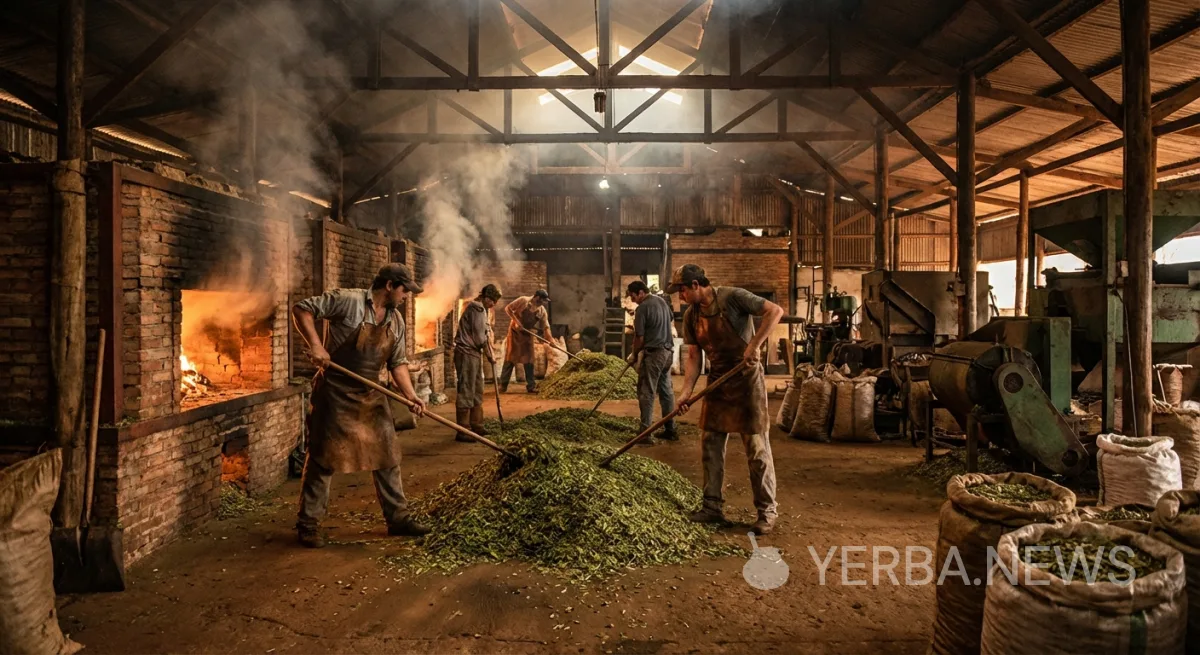
The market expansion is underpinned by a growing body of peer-reviewed research validating yerba mate's health profile. Studies published in journals including the Journal of Food Science and Nutrients have documented its high concentration of polyphenols, particularly chlorogenic acid and rutin, providing antioxidant activity comparable to green tea but with a more complete amino acid profile. Yerba mate contains 196 volatile chemical compounds including xanthines (caffeine, theobromine, theophylline), saponins with demonstrated anti-inflammatory properties, and 11 different polyphenolic compounds.
Yerba mate represents a unique intersection of traditional knowledge and modern nutritional science. Its polyphenol-to-caffeine ratio makes it arguably the most balanced natural stimulant available.
— Dr. Elvira Gonzalez de Mejía, University of Illinois
Market Drivers and Innovation
- Ready-to-drink (RTD) formats expanding shelf presence in mainstream retail across North America, Europe, and Asia
- Organic and fair-trade certifications commanding premium pricing, with organic yerba mate growing at 7.2% CAGR
- Integration into energy drinks, pre-workout supplements, and functional food products beyond traditional infusion
- E-commerce penetration enabling direct-to-consumer brands like Guayakí, Taragüí, and Cruz de Malta to reach global audiences
- Rising popularity in Middle Eastern markets, particularly Syria and Lebanon, which have become significant importers
Export Value Growth by Country
Outlook: Toward a $3.5 Billion Market
Industry analysts project the global yerba mate market will reach between $3.2 and $3.5 billion by 2032, driven by geographic diversification, product innovation, and the accelerating global trend toward natural, plant-based functional beverages. The most significant growth is expected in the Asia-Pacific and European regions, where yerba mate is positioned as a premium alternative to both traditional tea and synthetic energy drinks. As scientific research continues to validate its health claims and cultural ambassadors spread awareness beyond South America's borders, yerba mate appears firmly positioned to consolidate its place as a mainstream functional beverage on the world stage.