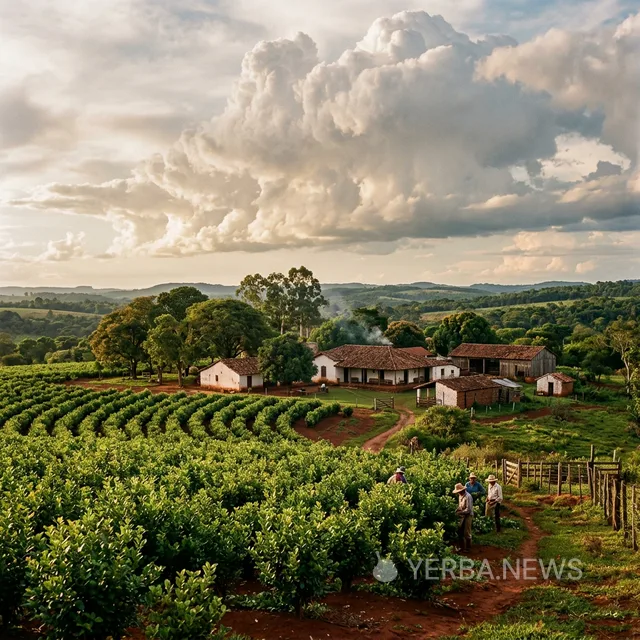
Paraguay's National Intellectual Property Directorate (DINAPI) has filed an application with the World Intellectual Property Organization (WIPO) seeking protected geographical indication (GI) status for "Yerba Mate Paraguaya" under the Lisbon Agreement for the Protection of Appellations of Origin and their International Registration. If approved, the designation would afford Paraguayan yerba mate the same international legal protections enjoyed by Champagne, Darjeeling tea, and Parmigiano-Reggiano — making it illegal to label non-Paraguayan mate products with the protected designation in signatory countries.
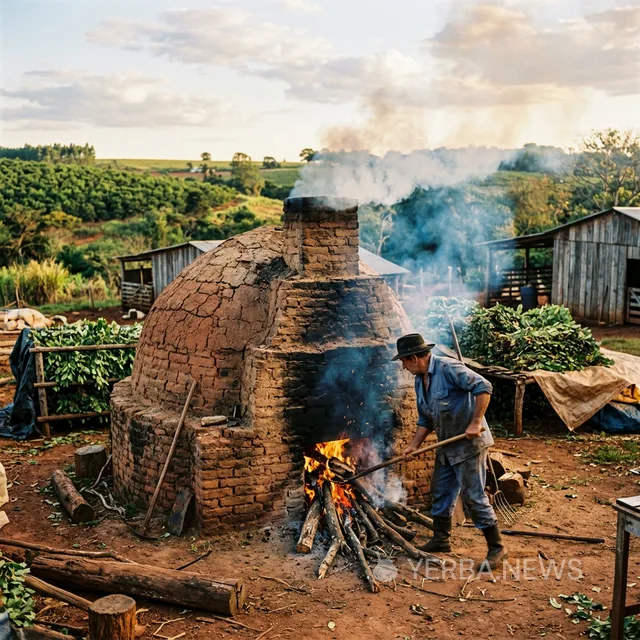
The application, filed in January 2026 and currently under WIPO examination, is supported by a 340-page technical dossier documenting the distinctive characteristics of Paraguayan yerba mate. These include the predominant use of the Ilex paraguariensis var. paraguariensis cultivar (as distinct from the var. genuina prevalent in Argentina), the traditional barbacuá smoking process that imparts a distinctive woody flavor profile, and the typically shorter estacionamiento (aging) period of 6 to 12 months compared to the 12 to 24 months standard in Argentine production.
The Terroir Argument
Central to Paraguay's case is the concept of terroir — the notion that a product's character is inseparable from the geography, climate, and cultural practices of its place of origin. The dossier argues that Paraguay's unique combination of subtropical climate, lateritic soils rich in iron and aluminum oxides, and the persistence of indigenous Guaraní processing knowledge creates a product that cannot be replicated elsewhere.
"Yerba mate was born in Paraguay," stated DINAPI director Dr. Carlos Giménez at the filing announcement. "The Guaraní people cultivated and processed mate for centuries before European contact. Our filing is not merely a commercial strategy — it is an assertion of cultural patrimony. Paraguay has as much right to protect the identity of its yerba mate as France has to protect the identity of its wines."
The barbacuá process — slow-smoking the leaves over native wood fires in earthen ovens — produces flavor compounds that simply do not exist in yerba mate processed by industrial methods. Gas chromatography-mass spectrometry analysis identified 23 unique volatile compounds in barbacuá mate that are absent in conventionally processed product.
— Dr. Patricia Giménez Ramírez, National University of Asunción, Faculty of Chemical Sciences
Regional Tensions
The filing has predictably generated tension with Argentina and Brazil, both of which produce far larger volumes of yerba mate and have previously resisted any suggestion that the product should carry geographical distinctions. Argentina's INYM issued a statement noting that "yerba mate is a shared heritage of the Río de la Plata region" and cautioning against "the fragmentation of a unified commodity category through exclusionary intellectual property claims."
Trade lawyers, however, note that the Paraguayan application does not seek to prevent Argentina or Brazil from producing or selling yerba mate — only from using the specific designation "Yerba Mate Paraguaya." This distinction, while legally clear, does little to resolve the underlying cultural politics of a region where yerba mate is fundamental to national identity in all three countries. The question of who "owns" yerba mate — if such a question can be meaningfully asked about a plant — is likely to animate diplomatic corridors and coffee shops (and mate circles) across South America for years to come.