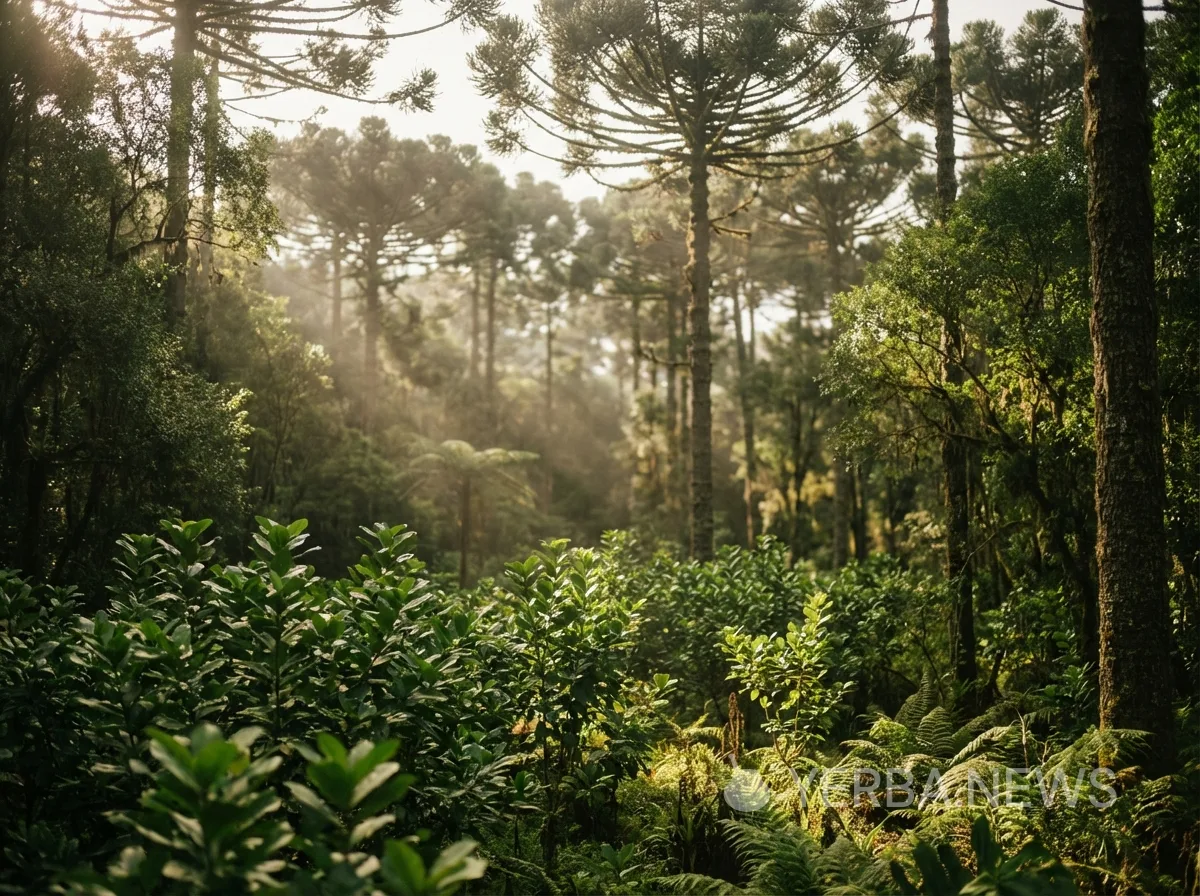
In November 2025, the United Nations Food and Agriculture Organization (FAO) formally recognized Brazil's traditional shade-grown yerba mate cultivation system in Paraná state's Araucaria Forest as a Globally Important Agricultural Heritage System (GIAHS). The designation — reported by TV BRICS and confirmed through FAO channels — acknowledges that the practice of cultivating yerba mate as an understory crop beneath the native Araucaria angustifolia canopy constitutes an agricultural system of global significance, combining sustainable land use, biodiversity conservation, and cultural heritage in a single productive landscape.
What GIAHS Recognizes
The GIAHS program identifies agricultural systems that are remarkable for their biodiversity, indigenous knowledge, cultural landscapes, and long-standing traditions of sustainable resource management. Unlike UNESCO World Heritage, which focuses on cultural and natural sites, GIAHS specifically recognizes living agricultural systems — farms and farming communities that continue to practice and adapt traditional production methods. The Paraná designation joins approximately 80 other GIAHS sites worldwide, including Japanese wasabi cultivation, Moroccan oasis agriculture, and Chinese rice-fish culture.
In the case of Paraná's yerba mate system, the FAO recognized several interlinked features: the preservation of native Araucaria forest (a critically endangered ecosystem that once covered 200,000 square kilometers of southern Brazil and now occupies less than 3% of its original extent); the cultivation of yerba mate as an understory crop that requires the forest canopy to thrive, creating an economic incentive for forest conservation; the traditional knowledge systems of smallholder farming families who have maintained this cultivation method for generations; and the cultural significance of chimarrão (southern Brazil's version of mate) as a social institution in Paraná and Rio Grande do Sul.
Agroforestry vs. Monoculture
The GIAHS designation draws a sharp distinction between two fundamentally different models of yerba mate production. The shade-grown model recognized by FAO — in which mate plants grow beneath the canopy of native trees, including Araucaria, erva-mate's original forest habitat — preserves biodiversity, protects soil from erosion, and maintains the forest's role as a carbon sink. The alternative model — full-sun monoculture plantations, in which native trees are cleared and yerba mate is grown in exposed rows like tea or coffee — produces higher per-hectare yields but at significant ecological cost: loss of forest cover, soil degradation, and increased pesticide requirements.
The FAO recognition validates what agroforestry advocates have argued for decades: that growing yerba mate within the forest is not merely a romantic tradition but a scientifically sound agricultural system that generates economic value while conserving critical ecosystems. The designation provides institutional legitimacy that can support policy advocacy (for example, arguing that shade-grown yerba mate producers should receive environmental service payments for maintaining forest cover) and market differentiation (premium pricing for shade-grown or GIAHS-certified products).
Connecting the Certifications
The FAO GIAHS designation sits alongside a growing stack of institutional recognitions for yerba mate's cultural and ecological significance. Paraguay's tereré practice was inscribed on UNESCO's Intangible Cultural Heritage list in December 2020. Paraguay submitted the 'Yerba Mate Cultural Landscape' to UNESCO's World Heritage Tentative List in April 2022. Yerba Madre achieved Regenerative Organic Certified Gold status in early 2026 for its shade-grown loose leaf. Collectively, these recognitions are building an institutional framework around yerba mate that elevates it from a commodity to a heritage product — a transformation that coffee, wine, and certain cheese traditions underwent decades ago and that is only now beginning for mate.