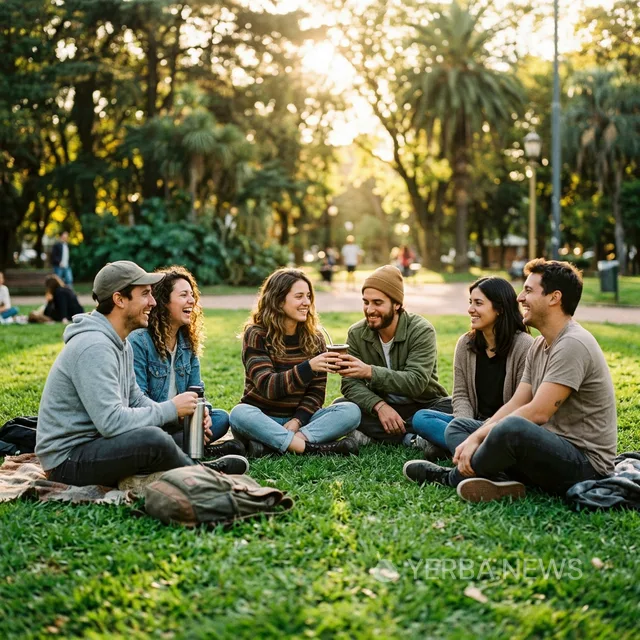
On any given afternoon at the Parque Ibirapuera in São Paulo, clusters of young people can be found doing something that might surprise the casual observer: sitting cross-legged on the grass, passing a small gourd from hand to hand, sipping through a metal straw in a ritual that predates the arrival of Europeans in the Americas. But they are not reenacting history — they are living it, adapted for an era of Instagram stories and sustainable living.
Yerba mate consumption among 18-to-25-year-olds in Brazil has increased by 67 percent since 2022, according to data from the Associação Brasileira de Indústrias de Mate. In Argentina, where mate is already a cultural cornerstone, Gen Z has pushed the tradition in new directions: flavored mates, cold tereré preparations, and elaborate gourd customization have become forms of self-expression.
TikTok as Cultural Transmission
The #YerbaMate hashtag has accumulated over 2.8 billion views on TikTok, with content ranging from meditative preparation tutorials to heated debates about proper water temperature. A subset of creators has made yerba mate their entire brand, combining ASMR-style preparation videos with cultural history and product reviews.
Carolina Méndez, a 23-year-old Argentine content creator with 1.2 million TikTok followers, sees her work as cultural preservation through a modern lens. "My grandmother taught me to prepare mate when I was six," she says. "When I show that process to a girl in Berlin or Tokyo who has never seen it before, I am keeping something alive that might otherwise fade into just being a packaged product on a supermarket shelf."
New Rules for an Old Ritual
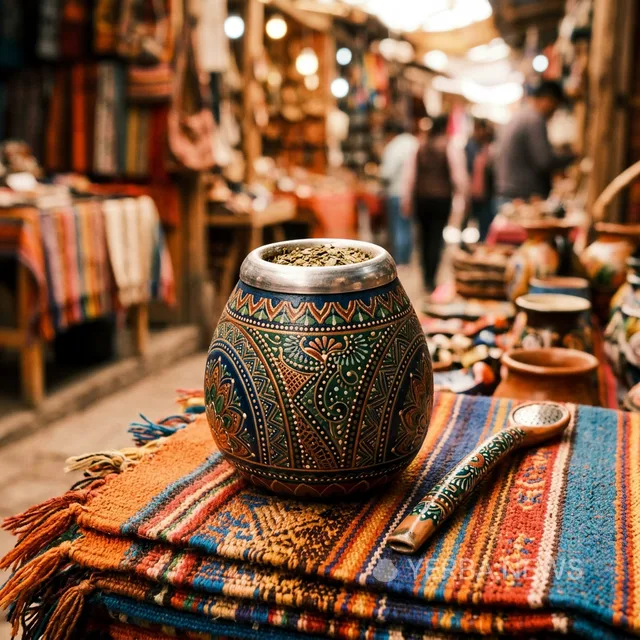
The traditional mate circle — the ronda de mate — has unspoken rules that have been passed down for generations: the cebador prepares and serves, you don't move the bombilla, you drink the full serving before passing it back. Gen Z's adaptation is both respectful and innovative. Hygiene-conscious post-pandemic sharing etiquette has introduced individual bombillas. Vegan and organic yerba blends cater to dietary preferences. Some groups use a designated Bluetooth speaker for ambient music, creating what they call "mate sessions."
Anthropologist Dr. Lucía Gálvez of the University of Buenos Aires notes that this generational reinterpretation is entirely consistent with mate's history. "Mate has always been a living tradition that absorbed the character of each generation that embraced it. The Guaraní people, the Jesuits, the gauchos, the industrial workers, the university students of the 1960s — each left their mark. Gen Z is simply writing the next chapter."
Perhaps most significantly, the global spread of the ritual has created unexpected cultural bridges. In Berlin, weekly mate circles organized by South American expats now regularly include German participants who have adopted the practice. In Seoul, "mate cafes" modeled after traditional Korean tea houses offer a fusion experience that honors both traditions. The mate circle, it seems, has become something it was always meant to be: a universal invitation to slow down, connect, and share.