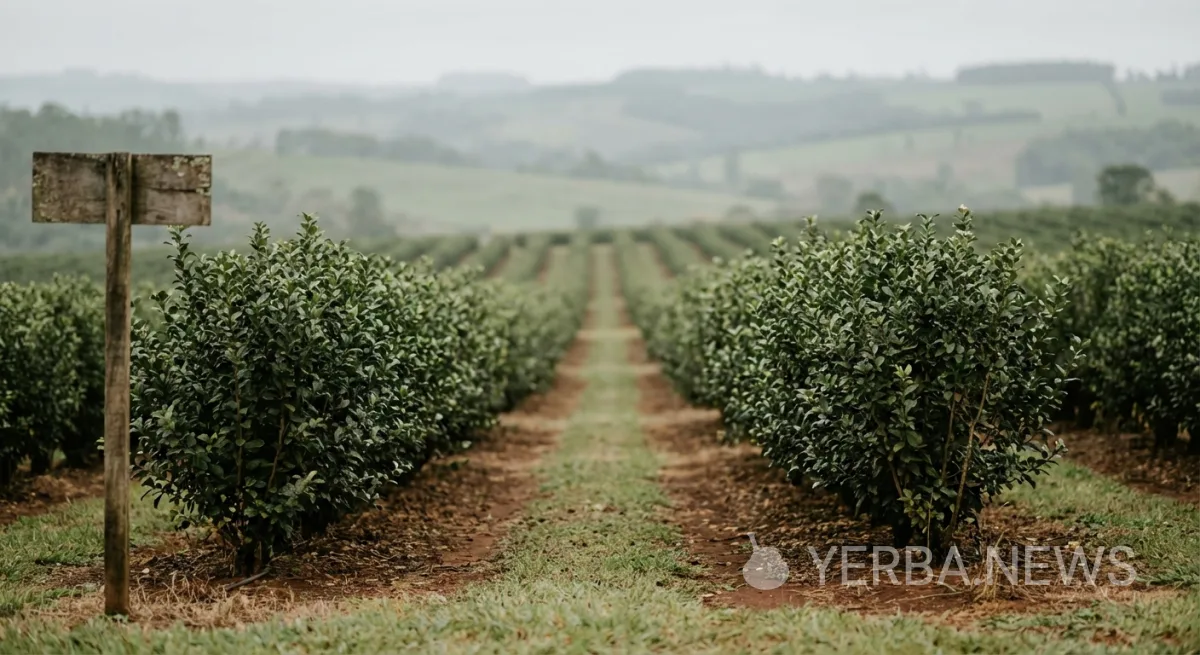
In December 2024, yerba mate growers in Argentina's northeastern province of Misiones — the heartland of the country's production, where over 90% of the national harvest originates — launched an indefinite work stoppage that sent a warning signal through the entire supply chain. The growers' grievance was distilled into a single economic fact: the prices being paid for raw green leaf (hoja verde) had fallen below what it cost to harvest, transport, and process it. In an industry where the physical labor of hand-harvesting yerba mate from hillside plantations is among the most grueling agricultural work in South America, the price collapse was not merely an economic inconvenience but an existential threat to the smallholder production model.
The Price Squeeze
The strike emerged from a structural imbalance that has characterized the Argentine yerba mate sector for years. Misiones province is home to approximately 13,500 yerba mate growers, the vast majority of whom operate small plots of five to 25 hectares. These producers sell raw leaf to a much smaller number of industrial processors and packers — companies that dry, age, mill, and brand the product. The concentration of processing capacity gives those companies significant pricing power, and growers have long argued that the prices set by the market — or, in periods of regulation, by the Instituto Nacional de la Yerba Mate (INYM) — fail to reflect the actual cost of production.
The situation was exacerbated in 2024 by two factors: Argentina's record harvest of approximately 1.1 million metric tons of green leaf created an oversupply condition that depressed prices, and the Milei administration's deregulatory stance reduced the INYM's capacity to intervene in pricing disputes. The combination left producers absorbing costs they could not recover — a situation they described as working at a loss.
Supply Chain Implications
The strike raised the prospect of supply disruptions extending into March 2025 — a period that coincides with the tail end of the harvest season, when the final cuts of green leaf are made before the plants enter their winter dormancy. Industry officials moved to reassure consumers that existing processed stockpiles — dried, aged yerba mate warehoused at processing facilities — were sufficient to prevent retail shortages for at least 90 days. But the longer-term concern was more fundamental: if small-scale producers abandon yerba mate cultivation because it is no longer economically viable, the productive base of the industry contracts, and future supply constraints become a permanent feature of the market.
The 13,500 Families at Stake
Behind the strike statistics are human decisions being made on thousands of small farms across Misiones. When a producer determines that harvesting costs more than the market will pay, the options are few: reduce labor inputs (which reduces yield), diversify into other crops (which takes years), sell land to larger operators (accelerating consolidation), or stop harvesting entirely (which damages the plants). Each of these options degrades the long-term productive capacity of the smallholder sector — the social and agricultural foundation on which Argentina's yerba mate identity was built.
The December 2024 strike is the latest escalation in a decades-old tension between yerba mate producers and processors in Argentina. Previous strikes, protests, and road blockades have occurred periodically when price imbalances become acute, and the INYM's regulatory authority has been alternately strengthened and weakened depending on the political orientation of the national government. Under the Milei administration's market-liberalization framework, the producers' leverage has diminished, making the strike both a protest against current prices and a test of whether collective action can still influence outcomes in a post-regulation environment.