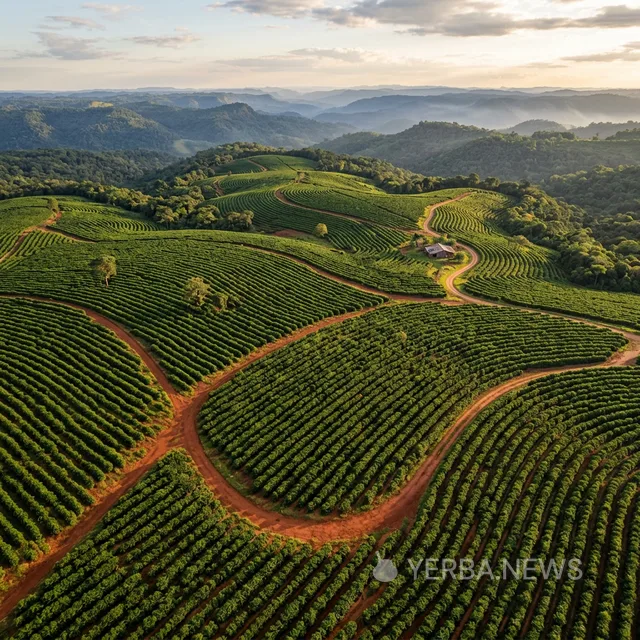
The South American yerba mate industry is experiencing its most robust growth period in decades. Combined export figures from Argentina, Brazil, and Paraguay — the world's three largest producers — show a 23 percent year-over-year increase through the first quarter of 2026, according to data released by the Instituto Nacional de la Yerba Mate (INYM) and corresponding agencies in neighboring countries.
Argentina alone shipped over 42,000 metric tons of processed yerba mate in the January-March period, a figure that industry analysts describe as "historically unprecedented." The surge is primarily attributed to expanding markets in Western Europe, where yerba mate consumption has grown by an estimated 35 percent annually since 2023, and in East Asia, where the beverage is being positioned as a premium functional drink.
Europe Leads the Import Boom
Germany, Poland, and France have emerged as the top European importers, collectively accounting for nearly 60 percent of the continent's yerba mate purchases. The trend is driven in part by a growing health-conscious consumer base that views mate as a cleaner alternative to coffee and energy drinks, offering sustained energy without the jitters associated with high-caffeine beverages.
We are witnessing a fundamental shift in how European consumers think about daily energy. Yerba mate sits at the perfect intersection of health, sustainability, and cultural authenticity that today's buyers are seeking.
— María del Carmen Suárez, Director of International Trade at INYM
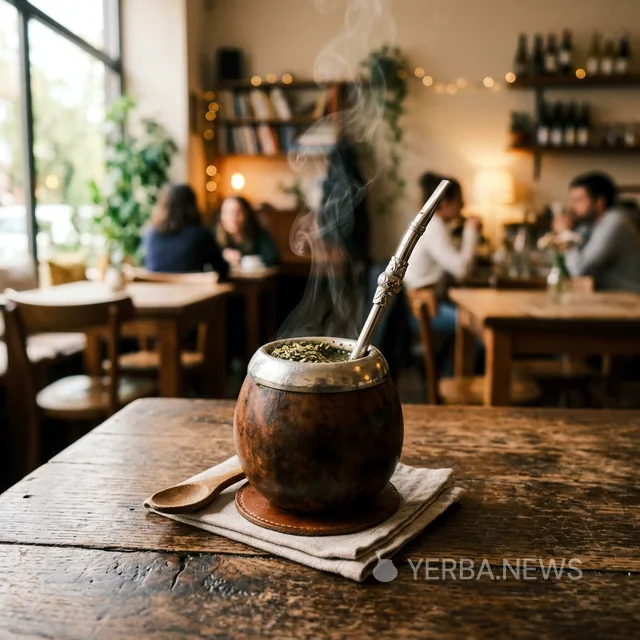
In Asia, South Korea and Japan represent the fastest-growing markets. Korean influencers and health bloggers have embraced mate as part of the "clean energy" movement, sharing preparation rituals that blend traditional South American methods with contemporary wellness aesthetics. Japanese specialty tea shops have begun offering mate alongside their traditional green tea selections, marketing it as a complementary botanical.
Supply Chain Investments Signal Long-Term Confidence
Major producers are responding to demand with significant capital investments. Las Marías, the Argentine company behind the iconic Taragüi brand, announced a $45 million expansion of its processing facilities in Corrientes province. Brazilian cooperative Ervateira Bitumirim is investing in automated harvesting technology that promises to increase yield by 18 percent while reducing labor costs.
Paraguay's export promotion agency, REDIEX, has launched a dedicated "Mate from Paraguay" international branding campaign, allocating $8 million over two years to position Paraguayan yerba mate as a premium origin product, similar to strategies successfully employed by Colombian and Ethiopian coffee producers.
Industry observers note that the current growth trajectory, if sustained, could see the global yerba mate market exceed $3 billion annually by 2028 — a figure that would have seemed unthinkable just five years ago, when the market was valued at approximately $1.8 billion.