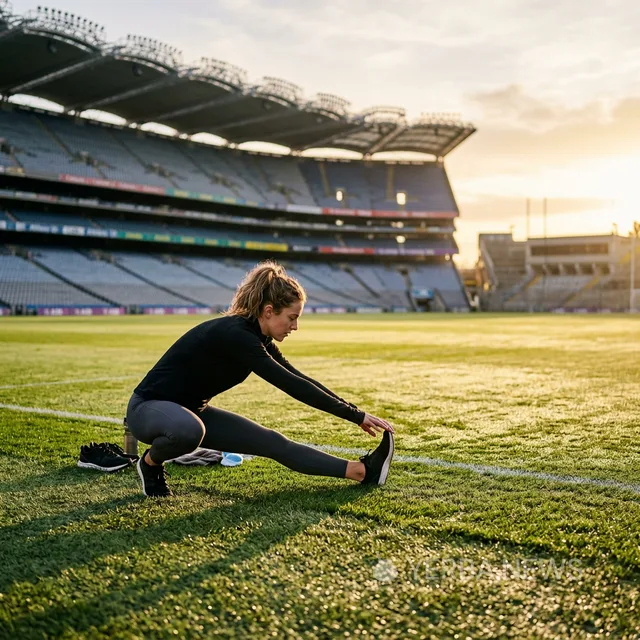
Walk into almost any top-tier football club's training facility in Europe, and you will find yerba mate. Not tucked away in a corner, but prominently placed alongside the carefully calibrated nutritional supplements and recovery drinks that millions of dollars of sports science have developed. The South American tradition has become football's worst-kept secret — and scientists are finally beginning to understand why.
The mate phenomenon in European football began, by most accounts, with the wave of Argentine and Uruguayan players who arrived in Spain, Italy, and England in the 2000s and 2010s. Lionel Messi brought it to Barcelona. Luis Suárez shared it at Liverpool and later at Atlético Madrid. Antoine Griezmann, a Frenchman who adopted the habit from his South American teammates, is arguably the tradition's most vocal European ambassador, frequently posting about mate on his social media accounts.
The Science Behind the Trend
What began as cultural habit is now the subject of serious scientific inquiry. A 2025 study published in the Journal of the International Society of Sports Nutrition found that consuming 500 milliliters of yerba mate one hour before exercise improved fat oxidation by 24 percent during moderate-intensity activity — meaning athletes' bodies burned proportionally more fat and preserved glycogen stores, potentially delaying the onset of fatigue.
The mechanism appears to involve mate's unique combination of caffeine, theobromine, and chlorogenic acids. Unlike coffee, which delivers a rapid caffeine spike followed by a sharp decline, mate's broader alkaloid profile produces a more gradual, sustained stimulation curve. For athletes engaged in 90-minute football matches, this pharmacokinetic profile is theoretically ideal.
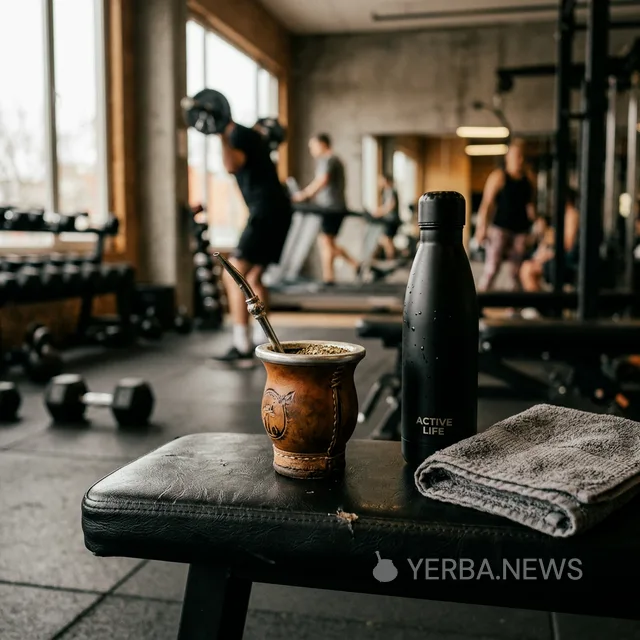
Recovery and Anti-Inflammatory Benefits
Perhaps more significant than mate's pre-exercise benefits are emerging findings related to recovery. Dr. Marco Bellini, head of sports science at Inter Milan, introduced structured mate consumption into the club's recovery protocols in 2024. Players now consume mate within 30 minutes of training and match completion.
We measured inflammatory markers — CRP, interleukin-6, TNF-alpha — and we saw a meaningful reduction in post-exercise inflammation among players who consumed mate regularly compared to those who did not. The effect was comparable to conventional anti-inflammatory supplements, but without the gastrointestinal side effects.
— Dr. Marco Bellini, Head of Sports Science, Inter Milan
The trend has now spread beyond football. Tennis players, cyclists, and rugby athletes have adopted mate as part of their routines. World Athletics, the governing body for track and field, has confirmed that yerba mate and its constituent compounds are not on the World Anti-Doping Agency's prohibited list — clearing the path for its use at the Olympic level. In a sport obsessed with marginal gains, the humble gourd and bombilla may have found their most powerful audience yet.