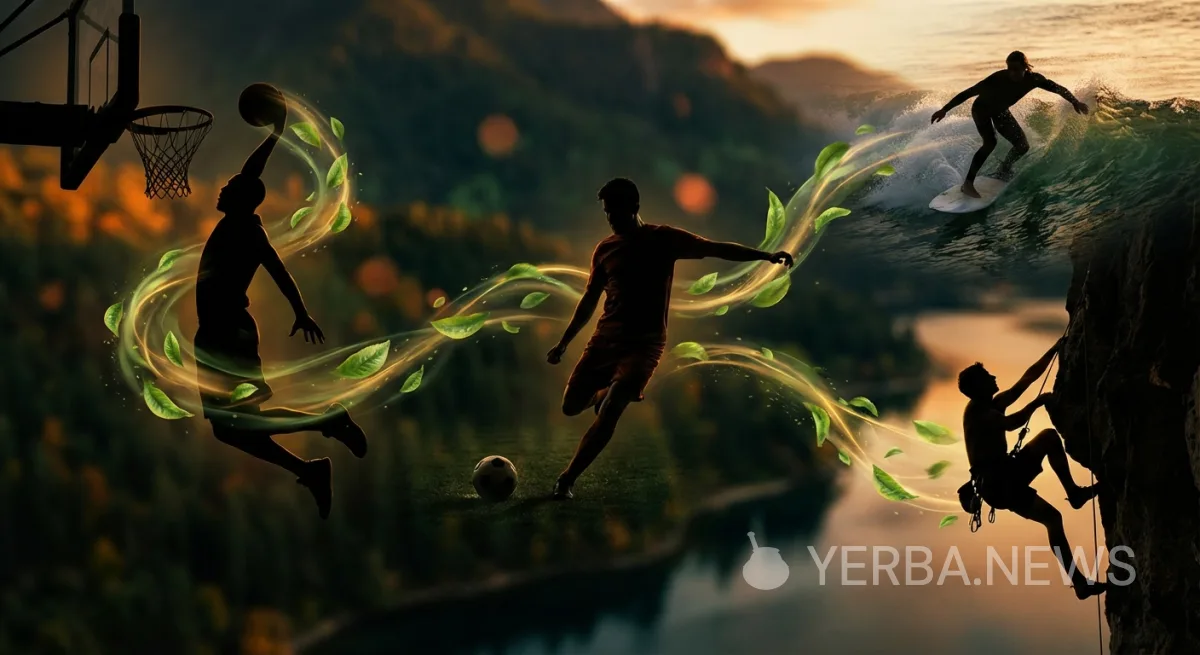
When Guayakí Yerba Mate rebranded as Yerba Madre in May 2025, the company's leadership signaled that the name change was about more than packaging. Twelve months later, the scope of that ambition is becoming clear. According to PR Newswire announcements and the company's own roster page, Yerba Madre has signed approximately 20 athlete partnerships spanning seven distinct sports — professional basketball, soccer, speed climbing, surfing, skateboarding, BMX, and Brazilian Jiu-Jitsu. It is, by a considerable margin, the most aggressive athlete sponsorship campaign any yerba mate brand has attempted in the United States.
The Roster: From NBA Hardwood to Olympic Climbing Walls
The breadth of the 2026 athlete roster is its most striking feature. In basketball, Yerba Madre has partnered with Philadelphia 76ers guard Jared McCain — a 2024 first-round draft pick who has rapidly become one of the NBA's most visible rookies — alongside Hansel Emmanuel, the one-armed Dominican prospect whose viral highlight reels have drawn comparisons to the sport's most inspiring athletes, Nickeil Alexander-Walker of the Minnesota Timberwolves, and Orlando Magic forward Tristan da Silva. The basketball cohort alone represents a significant financial commitment and positions yerba mate alongside traditional energy drink sponsors in NBA locker rooms.
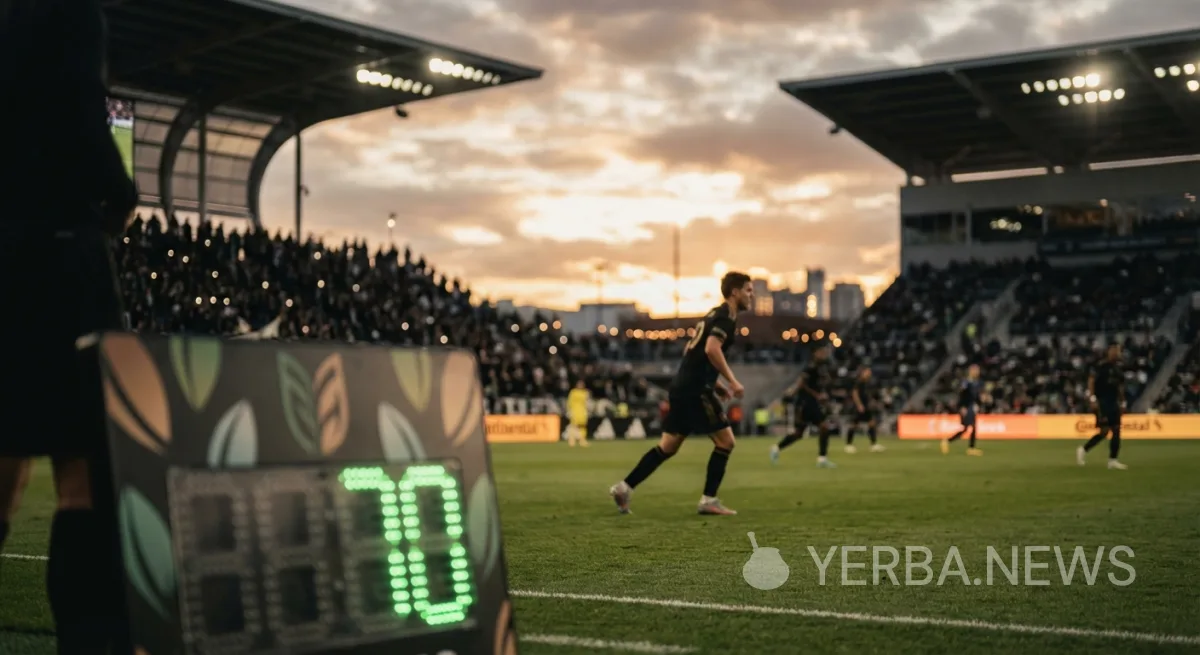
In soccer, the roster includes Jeremy Ebobisse (San Jose Earthquakes), Casey Phair — who in 2023 became the youngest player ever to appear in a FIFA Women's World Cup match, at age 16 — and Madison Hammond, recognized as the first Indigenous player in National Women's Soccer League history. The soccer partnerships extend Yerba Madre's existing institutional relationships: the company is an official sponsor of the CONCACAF Gold Cup and maintains collaborations with LAFC and Angel City FC.
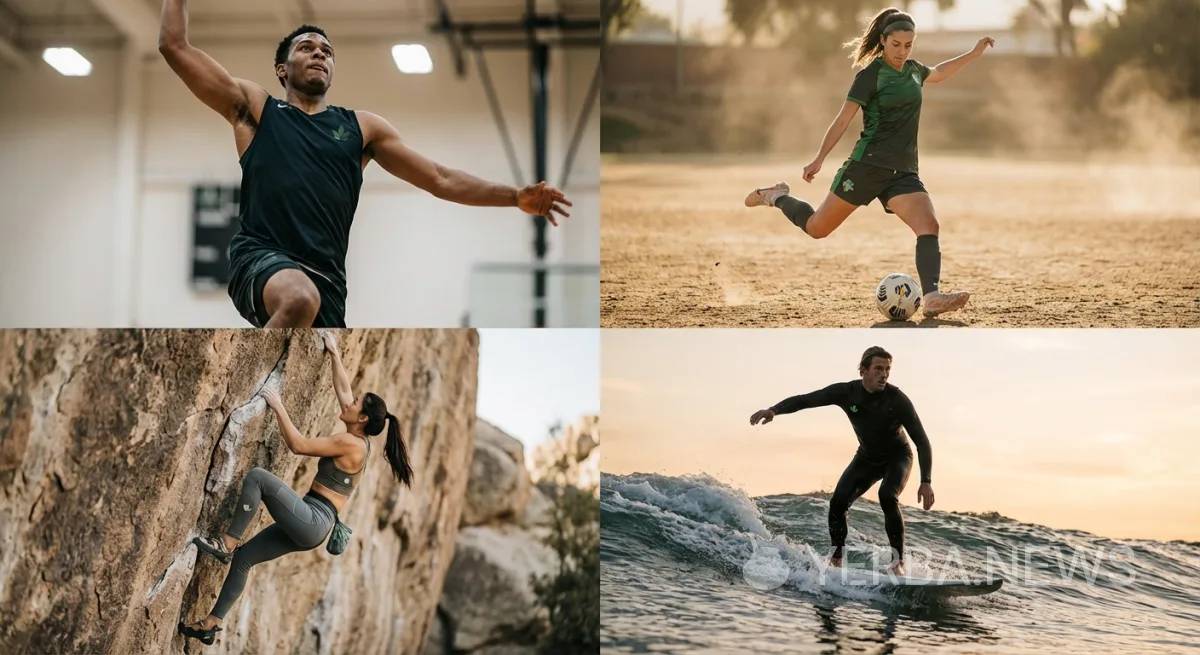
The action sports contingent is equally deliberate. Samuel Watson, an elite speed climber, represents Yerba Madre's play for the Olympic audience — speed climbing debuted at the 2024 Paris Olympics and is scheduled for the 2028 Los Angeles Games. In surfing, the brand has signed Legend Chandler and Luana Silva. Skateboarding partners include Beatrice Domond, Mariah Duran (a Tokyo 2020 Olympian), and downhill specialist Cole Trotta. BMX rider Jae Milez and Brazilian Jiu-Jitsu champions Ty and Kade Ruotolo round out a roster that covers virtually every category of athletic performance where stimulant beverages have traditionally competed.
A Strategy Borrowed from Red Bull's Playbook — With a Twist
The multi-sport sponsorship model is not new. Red Bull pioneered the approach of sponsoring athletes across dozens of disciplines as a means of associating its brand with peak human performance rather than any single sport. Monster Energy followed suit. What makes Yerba Madre's version strategically distinct is its emphasis on values alignment over sheer visibility. The company's PR materials describe its program as 'Sports Marketing Redesigned,' emphasizing 'functional nutrition and community connection' rather than the adrenaline-maximalism that defines traditional energy drink sponsorship.
This positioning is reflected in the athlete selection itself. Madison Hammond's status as the first Indigenous NWSL player resonates with Yerba Madre's foundational narrative of partnership with Indigenous farming communities in South America. Casey Phair's youth and record-setting career trajectory appeals to Gen Z consumers who represent yerba mate's fastest-growing demographic. Hansel Emmanuel's story of athletic excellence despite physical limitation aligns with the brand's 'feel good, do good' ethos. None of these selections are accidental — each athlete brings a narrative that reinforces Yerba Madre's broader brand story beyond mere sports performance.
The Financial Calculus
According to Marketing Brew, Yerba Madre signed approximately 20 sponsorship deals following its May 2025 rebrand — a rapid cadence that suggests the company either had partnerships staged prior to the name change or moved with unusual speed to capitalize on the rebranding momentum. The financial terms of individual deals have not been disclosed, but the breadth of the portfolio — including an NBA first-round pick and an Olympic athlete — implies a total sponsorship investment that would have been unimaginable for a yerba mate brand even five years ago.
The investment makes more sense when viewed against the U.S. yerba mate market's growth trajectory. Industry estimates project the category will reach $1.3 billion domestically by 2035, driven primarily by ready-to-drink formats that compete directly with energy drinks in convenience store coolers. To capture share in that channel, a yerba mate brand needs the same cultural currency that Red Bull and Monster have built over two decades: athlete endorsements, in-stadium visibility, and the implicit association between the product and elite physical performance. Yerba Madre's 2026 roster is an explicit bet that this association can be built for yerba mate — and that the brand that builds it first will benefit disproportionately.
What This Means for the Category
Yerba Madre's sports marketing offensive raises a question that the broader yerba mate industry has largely avoided: can the category sustain the kind of marketing expenditure that mainstream beverage competition demands? Traditional energy drink companies generate annual revenues measured in billions and reinvest aggressively in sports sponsorship. Yerba Madre, while the largest yerba mate brand in the United States, operates at a fraction of that scale. If the 2026 athlete roster delivers measurable consumer awareness gains and retail velocity improvements, it could establish a template that other yerba mate brands follow. If it doesn't, it may become an expensive cautionary tale about premature scaling.
For now, the early signals are encouraging. The company's existing sports partnerships — most notably the Vermont Green FC jersey sponsorship and the CONCACAF Gold Cup deal — have generated measurable media exposure and social media engagement. The 2026 roster, with its mix of mainstream visibility (NBA) and culturally resonant stories (Indigenous representation, record-setting youth athletes), appears designed to build on those foundations while broadening the brand's appeal beyond the natural products consumer base that has historically defined yerba mate's American audience. Whether twenty athletes across seven sports represents strategic ambition or overextension will likely be answered by the end of the 2026 competitive season.