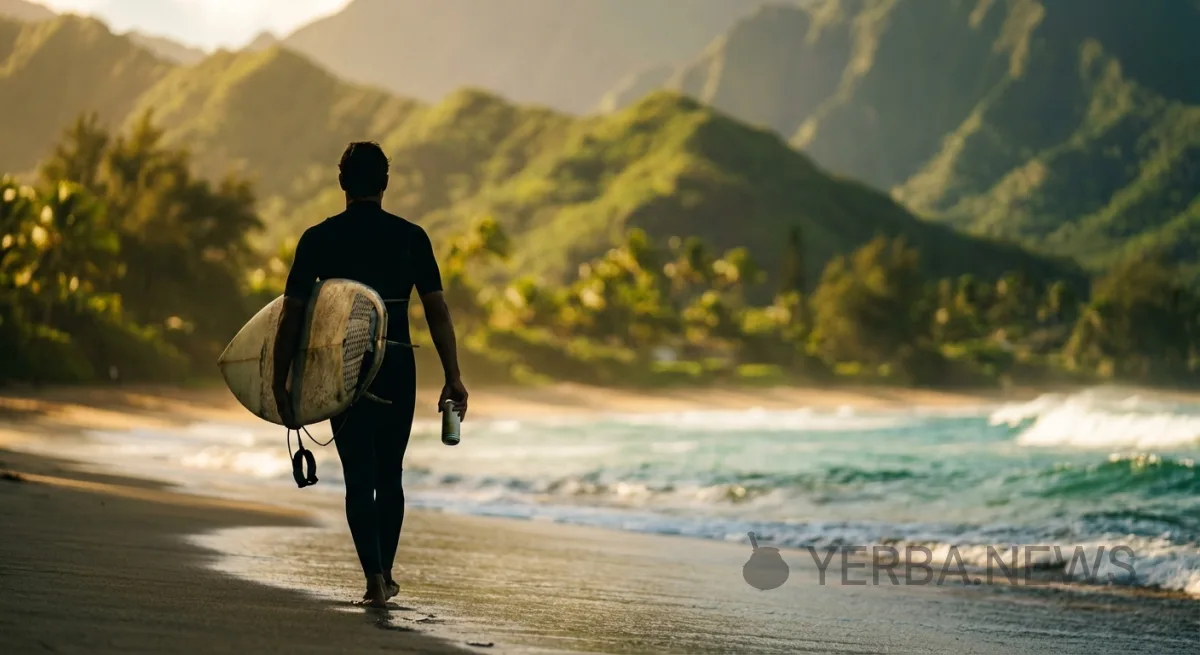
When John John Florence won his third World Surf League championship in 2024, cementing his place among the greatest competitive surfers in the sport's history, relatively few observers outside the beverage industry noticed the brand name printed on his gear rotations and social media: Machu Picchu Energy, a yerba mate company he co-founded with Brazilian beverage entrepreneur Bernardo Paiva. The detail matters, because Florence — a 31-year-old Hawaiian with an estimated career earnings haul that places him among surfing's highest earners — did not sign an endorsement deal. He took an equity stake. The distinction between athlete-as-pitchman and athlete-as-owner is one the broader yerba mate category should pay attention to.
From Monster Energy Lawsuit to Yerba Mate Ownership
Florence's path to yerba mate entrepreneurship runs through one of action sports' most high-profile sponsorship disputes. In 2020, after years as a Monster Energy athlete, Florence parted ways with the energy drink giant amid contractual disagreements — a separation that, according to reporting by Stab Magazine and Surfer Today, involved legal proceedings. Rather than sign with a competing synthetic energy brand, Florence pursued a fundamentally different model: he became a co-founding partner in Machu Picchu Energy alongside Paiva and board member Silvio Reichert, an arrangement that gave him creative control over the product he would publicly associate with his name.
The decision reflected a broader shift in how elite athletes approach beverage partnerships. Where previous generations of surfers, skateboarders, and snowboarders accepted sponsorship fees in exchange for logo placement, a growing cohort of athlete-entrepreneurs — Florence among them — are building brands from the ground up, selecting ingredients they personally consume and business models that align with their stated values. Florence's public statements consistently emphasize this alignment: 'What you put in your body directly impacts how you perform in the ocean,' he told DukeSurf.com. 'It's not just about the logo on the can.'
The Paiva Factor: A Brazilian Beverage Veteran Behind the Brand
If Florence provides the brand with cultural credibility in the action sports world, Bernardo Paiva provides operational expertise. Paiva, a Brazilian national, founded Machu Picchu Energy in 2021 with a stated dual mission: creating a premium yerba mate beverage line and channeling a portion of proceeds toward programs supporting underprivileged children. The choice of yerba mate as the company's sole ingredient platform — the brand initially considered a broader portfolio before committing exclusively to Ilex paraguariensis — appears deliberate. Paiva's background in Brazilian beverage distribution gave him firsthand exposure to yerba mate's cultural significance in the Southern Cone and its virtually untapped potential in the North American convenience and grocery channels.
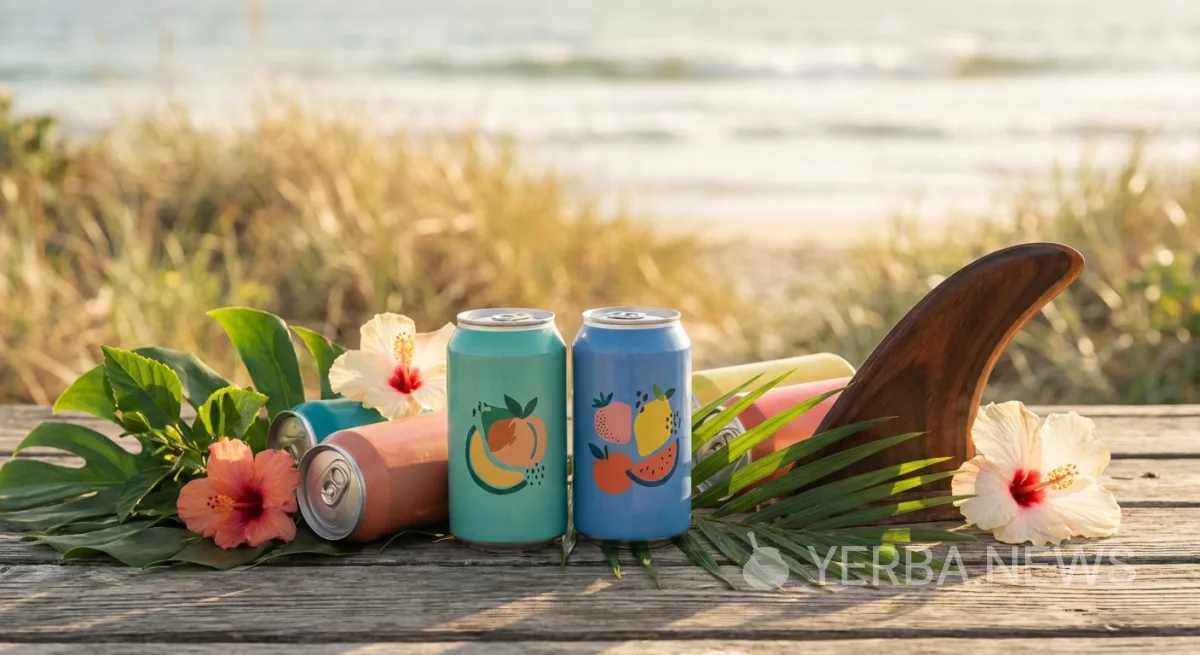
The brand's product development trajectory reinforces this focus. In March 2023, Machu Picchu launched a zero-sugar yerba mate line in two flavors — Alpine Mint and Ocean Citrus — developed in direct collaboration with Florence. The formulations use organic yerba mate as the primary caffeine source, positioning the brand against both traditional energy drinks (which rely on synthetic caffeine and taurine) and the emerging class of 'functional' beverages that combine multiple adaptogenic ingredients. By keeping the ingredient list short and the caffeine source singular, Machu Picchu has carved out a positioning that is simultaneously premium and transparent.
Retail Traction: From Natural Channels to Kroger Shelves
The brand's retail distribution has expanded methodically since 2023. Machu Picchu Energy is now available at H-E-B (Texas's dominant grocery chain, with over 430 stores), Fred Meyer (Kroger's Pacific Northwest banner), Central Market, Foods Co., and through Kroger's broader network — a footprint that places the brand in front of millions of weekly shoppers who might otherwise never encounter yerba mate in a conventional grocery setting. The Fred Meyer and Kroger placements are particularly significant: Kroger operates approximately 2,700 supermarkets and multi-department stores across 35 states, making it the largest supermarket chain in the United States by revenue.
What Florence's Bet Tells Us About the Category
Florence is not the first athlete to attach his name to a yerba mate brand — Lionel Messi's Stanley tumbler collaboration and the broader 'mate culture' visible in global football have generated far more mainstream attention. But Florence's arrangement is structurally different in ways that may prove more consequential for the category's development. As a co-founder with equity rather than a paid endorser, Florence has skin in the game: the brand's success or failure directly affects his financial outcomes, which creates incentives for sustained, authentic engagement rather than the perfunctory social media posts typical of standard sponsorship contracts.
This model — athlete as co-founder rather than athlete as spokesperson — is gaining traction across the functional beverage space. But in yerba mate specifically, it carries additional significance. The category's growth in the United States has been disproportionately driven by a single company (Guayakí, now Yerba Madre), leaving the market structurally underserved by challenger brands with credible distribution and recognizable faces. Machu Picchu Energy's approach — combining a three-time world champion's authenticity with a Brazilian entrepreneur's operational acumen and a product line that is demonstrably different from the dominant incumbent — represents exactly the kind of diversified brand ecosystem that maturing categories require.
The Sabbatical and What Comes Next
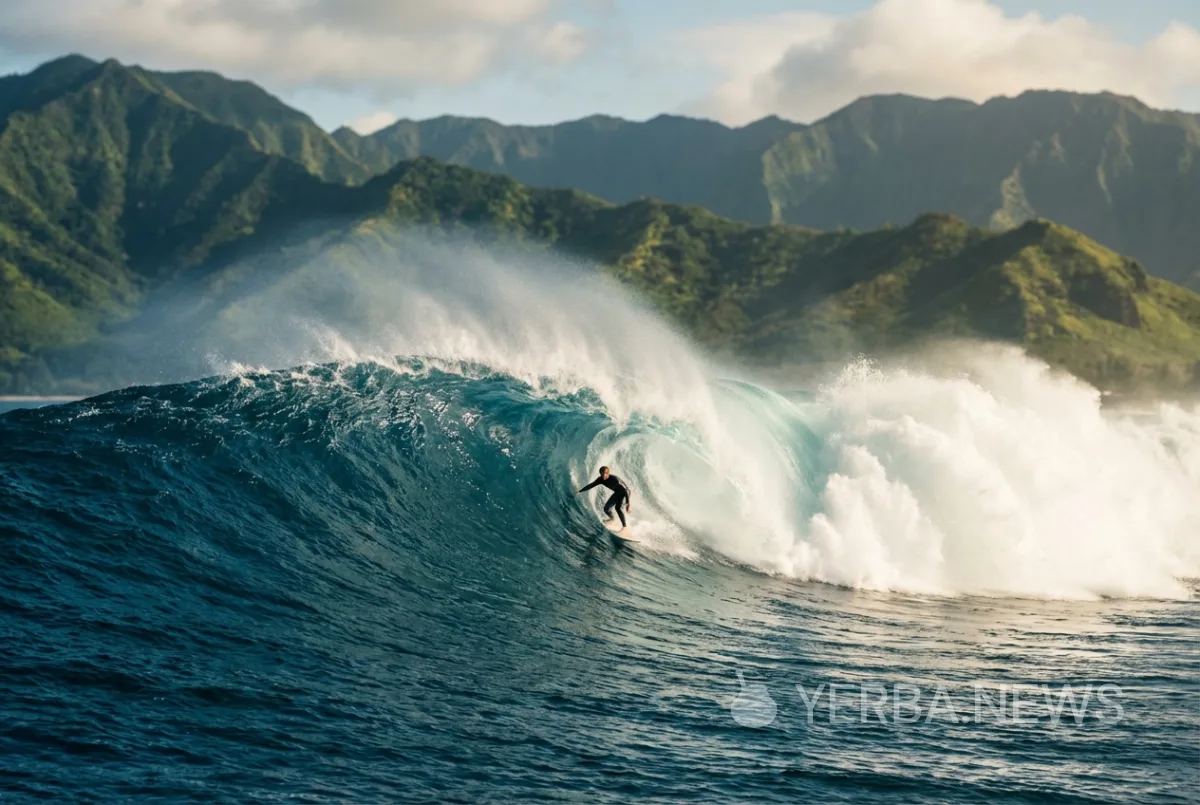
Florence's decision to step back from full-time World Surf League competition in 2025 and 2026 — he has described the hiatus as a period for family, travel, and 'a full lap of the world,' explicitly stating that it is not a retirement — may paradoxically benefit Machu Picchu Energy. Athletes who remain visible but are no longer locked into punishing competition schedules often become more effective brand builders, free to attend retail events, create content, and engage with consumers in ways that a full-time competitive calendar does not permit. His September 2025 appointment as an Ocean Conservancy 'Protect Where We Play' ambassador further extends his public profile into the sustainability space — a domain where yerba mate brands, with their emphasis on regenerative farming and shade-grown agroforestry, have natural credibility.
Whether Machu Picchu Energy can translate Florence's authenticity and Paiva's distribution expertise into meaningful market share remains an open question. The U.S. yerba mate category, projected to reach $1.3 billion by 2035 according to industry estimates, is attracting an increasing number of entrants — from PepsiCo's Yachak to Drink Weird to CLEAN Cause — each pursuing distinct positioning strategies. What Florence and Paiva have built is different: a brand where the athlete's personal consumption habits, competitive career, and environmental values are structurally embedded in the company's ownership and operations, not bolted on through a marketing contract. In a category where authenticity is the primary currency, that structural difference may prove decisive.