Milonga Yerba Mate began in 2020 as a loose-leaf yerba mate brand founded by a Miami-based family with South American roots. By April 2023, the company had pivoted to what was then a genuinely novel category intersection: THC-infused ready-to-drink yerba mate, soft-launched in California dispensaries. The products — Sparkling Acai Mint, Sparkling Citrus Basil, and Sparkling Peach Ginger — combined yerba mate's natural caffeine with 5–25 mg of THC, 5–10 mg of CBD, and the adaptogen L-Theanine, positioning the brand as a functional cannabis beverage designed to replace the binge-drinking occasion with what Milonga described as a 'smooth buzz.'
The Mainstreaming Pivot
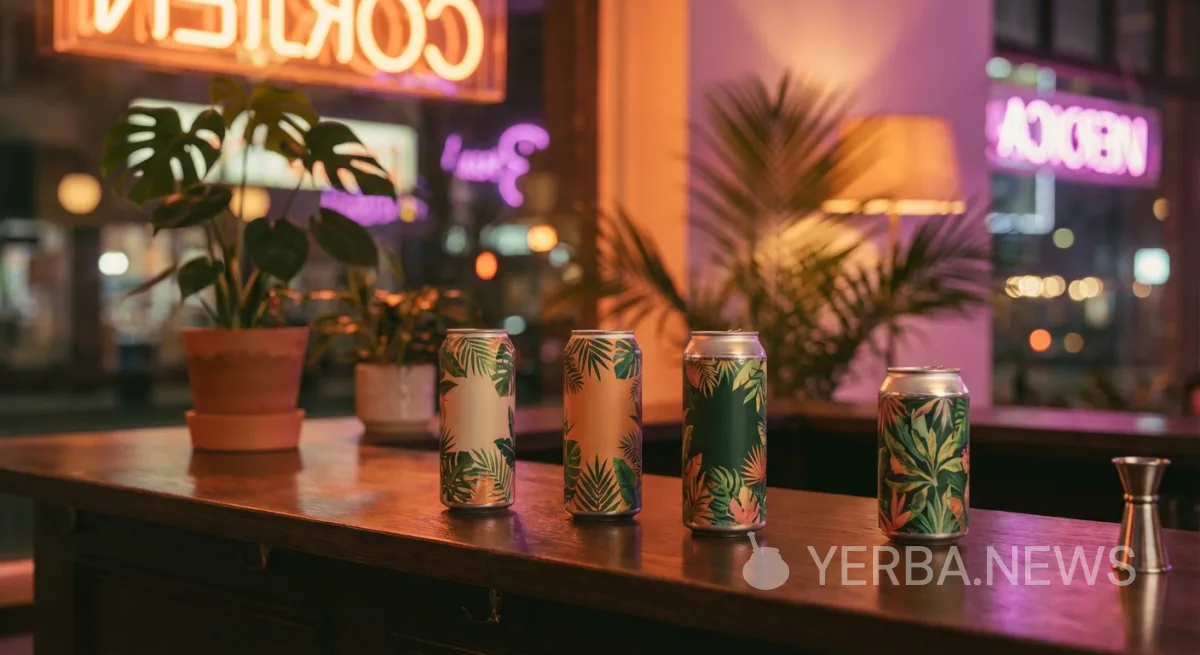
Now, entering 2026, Milonga is executing a strategic pivot that BevNET reported on January 22, 2026: the launch of the brand's first non-THC product line. The move is accompanied by a visual rebrand that quietly rolled out in the fall of 2025 — new packaging featuring simplified branding and South American jungle imagery, designed to appeal to a broader audience than the original dispensary-channel packaging, which signaled cannabis-forward positioning. The non-THC line allows Milonga to enter conventional retail channels — grocery, convenience, natural food — that are legally and practically closed to THC-containing beverages in most U.S. states.
The Cannabis-Beverage Category Context
Milonga's pivot reflects a pattern that has emerged across the cannabis-infused beverage category: brands that launched in the regulated cannabis channel (dispensaries) are discovering that the channel's limited reach, fragmented state-by-state legality, and high regulatory costs constrain growth. Several cannabis beverage brands have responded by creating non-psychoactive (THC-free or CBD-only) product lines that can access mainstream retail while maintaining their dispensary presence for the THC products. The strategy effectively creates two distribution tiers under one brand — a model that the alcohol industry pioneered with non-alcoholic beer and spirits.
For the yerba mate industry, Milonga represents a niche but symbolically significant development: a brand that is using yerba mate as the functional base for both cannabis-infused and mainstream beverages, rather than treating mate as a stand-alone category. The formulation logic — mate's caffeine for alertness, L-Theanine for calm focus, THC or CBD for mood modulation — positions yerba mate as an ingredient platform rather than a finished product, which aligns with the broader trend of ingredient-level innovation in the functional beverage sector. Whether Milonga's non-THC line can compete in the already crowded RTD yerba mate space — against Yerba Madre, Pura Vida, Guayakí-legacy products, and the growing number of clean-energy tea brands — will depend on whether the brand's cannabis-channel heritage functions as a curiosity-driven marketing advantage or a mainstream-consumer deterrent.