When Wes Hurt founded CLEAN Cause in Austin, Texas, in 2015, the venture was not primarily a beverage play. It was an answer to a question that had consumed him since his own recovery from more than two decades of alcohol and drug addiction: how do you build a sustainable funding engine for the chronically underfunded addiction recovery infrastructure in the United States? The answer, it turned out, was organic yerba mate — and the latest chapter in that answer involves 678 7-Eleven stores across three of America's largest states.
The 7-Eleven Expansion
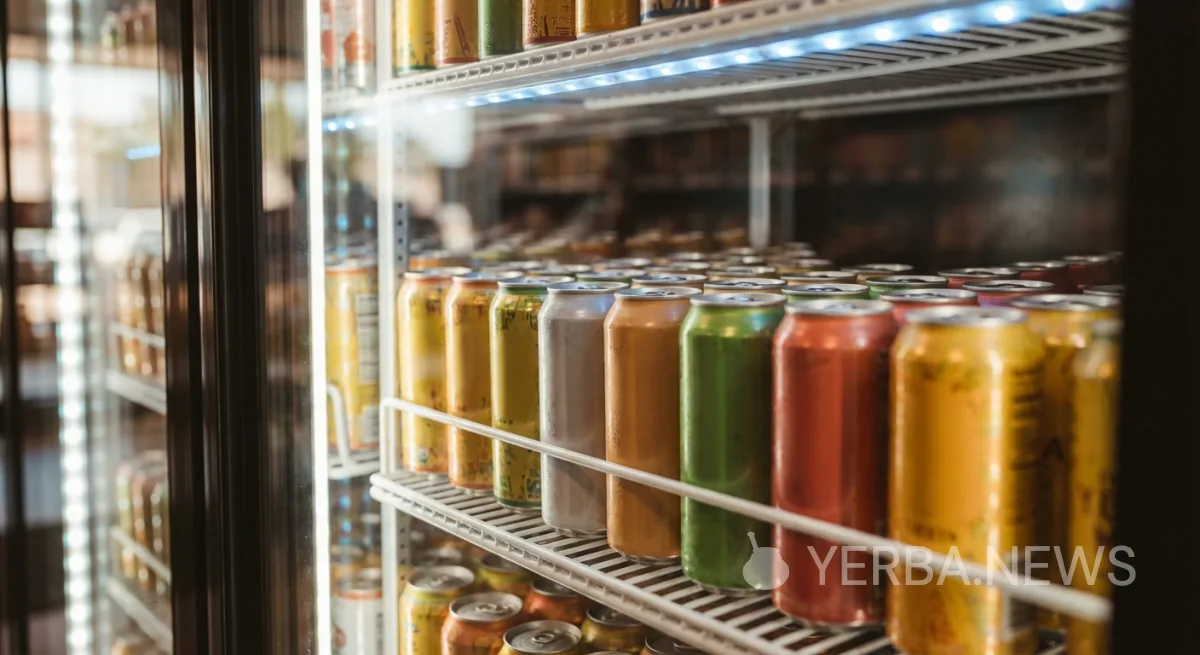
On May 28, 2025, BevNET reported that CLEAN Cause had secured shelf placement in over 650 7-Eleven locations spanning Texas, California, and Oregon. The rollout — which ultimately covered 678 stores — represents one of the most significant single-chain distribution gains for a yerba mate brand in the US convenience channel. The lineup available to 7-Eleven shoppers includes sparkling varieties such as Blackberry and Raspberry alongside non-carbonated options including Mint & Honey and Lemonade & Tea, each containing 160 milligrams of naturally occurring caffeine from USDA-certified organic yerba mate extract.
The placement in 7-Eleven — the world's largest convenience-store chain by unit count — is strategically significant for the category as a whole. Convenience stores account for approximately 80% of single-serve energy drink sales in the United States, yet yerba mate has historically been underrepresented in the channel compared to its presence in natural grocery and specialty retail. CLEAN Cause's entry at scale provides a category proof-of-concept that could influence shelf-space decisions by other major convenience operators.
A Mission That Funds Itself
What distinguishes CLEAN Cause from virtually every other player in the functional beverage space is the structural commitment embedded in its business model. The company donates 50% of its net profits — or $250,000 annually, whichever is greater — to fund recovery housing scholarships through its CLEAN Kickstarts program and the CLEAN Cause Foundation. As of mid-2025, the brand has directed over $3.7 million toward addiction recovery initiatives, according to company disclosures.
Hurt, who was fired from his previous company Hey Cupcake! — an Austin restaurant chain — as a direct consequence of his addiction, has been candid about the personal experience that shapes the brand's DNA. In interviews with Forbes and Texas Monthly, he has described CLEAN Cause as 'an impact company that happens to sell beverages,' a framing that resonates particularly strongly with younger consumers who increasingly evaluate brands on the basis of authentic social purpose rather than marketing narratives alone.
The Convenience Store Battleground
The US energy drink market was valued at $23.95 billion in 2023 and is projected to reach $48.45 billion by 2033, growing at a compound annual growth rate of 7.3%. Within this expanding market, the yerba mate segment is emerging as one of the fastest-growing subcategories. Ready-to-drink yerba mate products have recorded 65% year-on-year growth, driven by consumer demand for natural caffeine sources that deliver sustained energy without the jittery peaks and crashes associated with synthetic formulations.
CLEAN Cause's convenience-store strategy follows a playbook that has been validated by other challenger brands in adjacent beverage categories: establish a loyal following through natural-food retailers and specialty accounts, generate demand signals measurable by category managers, then leverage that data to negotiate placement with mainstream chains. The brand's existing presence in HEB, Costco, Fred Meyer, and Lazy Acres Natural Markets provided precisely this kind of sell-through validation prior to the 7-Eleven agreement.
Competitive Positioning
The 7-Eleven expansion puts CLEAN Cause in a competitive set that includes Guayakí (recently rebranded as Yerba Madre), Drink Weird, and a growing cohort of smaller yerba mate brands, each pursuing convenience-store distribution through different strategic pathways. Yerba Madre's established national distribution and recent Regenerative Organic Certification represent the category's premium positioning play, while Drink Weird's partnerships with Anheuser-Busch-affiliated distributors emphasize DSD infrastructure. CLEAN Cause's differentiator — the 50% profit pledge — occupies a distinct lane: mission-driven authenticity that requires no qualifiers or asterisks.
Industry analysts note that the convergence of multiple yerba mate brands in the convenience channel during 2025 may represent a tipping point for category awareness. When consumers encounter the same product type across multiple brands and retail environments, the educational barrier that has historically constrained yerba mate adoption in North America diminishes significantly. For CLEAN Cause, every can sold serves a double bottom line — expanding that awareness while funding the recovery housing that remains the brand's foundational purpose.