The morning beverage wars have a new frontier. As yerba mate moves from niche health food stores to mainstream grocery shelves, millions of consumers are asking a deceptively simple question: should I switch from coffee? The answer, according to a growing body of peer-reviewed research, is considerably more nuanced than the marketing suggests.
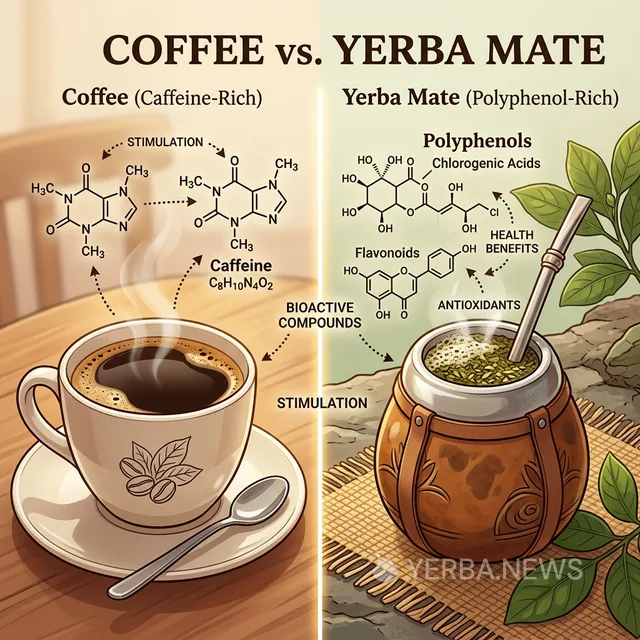
Start with the basics. A standard cup of yerba mate delivers approximately 80 milligrams of caffeine — roughly 15% less than the 95 milligrams in a typical cup of coffee. But the pharmacological profile extends well beyond caffeine. Yerba mate contains theobromine, the compound also found in dark chocolate, which provides a gentler, more sustained energy curve that many users describe as "alert without anxious."
The Antioxidant Advantage
Where yerba mate genuinely distinguishes itself is in its polyphenol and saponin content. According to Health.com, these compounds demonstrate measurable cardiovascular protective effects, including reduced LDL oxidation and improved endothelial function. For perimenopausal women, the evidence is particularly compelling: regular mate consumption has been linked to increased bone mineral density, a finding with significant implications given that osteoporosis affects one in three women over 50 globally.

The Risk No One Talks About
Here is where the conversation takes a critical turn that many yerba mate advocates prefer to avoid. Epidemiological studies have consistently shown that consuming more than one liter daily — particularly at very high temperatures, as is traditional in southern Brazil and Paraguay — is associated with an increased risk of esophageal, lung, and oral cancers.
The culprit is not mate itself but polycyclic aromatic hydrocarbons (PAHs), carcinogenic compounds created during the traditional smoke-drying process. Modern air-dried varieties contain significantly fewer PAHs, and health experts increasingly recommend preparing mate at temperatures below 70°C to minimize risk while preserving the beneficial compounds.
The bottom line? Yerba mate offers a genuinely differentiated nutritional profile compared to coffee with meaningful cardiovascular and bone health benefits. But the dose makes the poison: moderate consumption of air-dried varieties at reasonable temperatures appears safe and potentially beneficial, while the traditional practice of drinking large volumes of very hot, smoke-dried mate carries measurable risks that consumers deserve to understand.