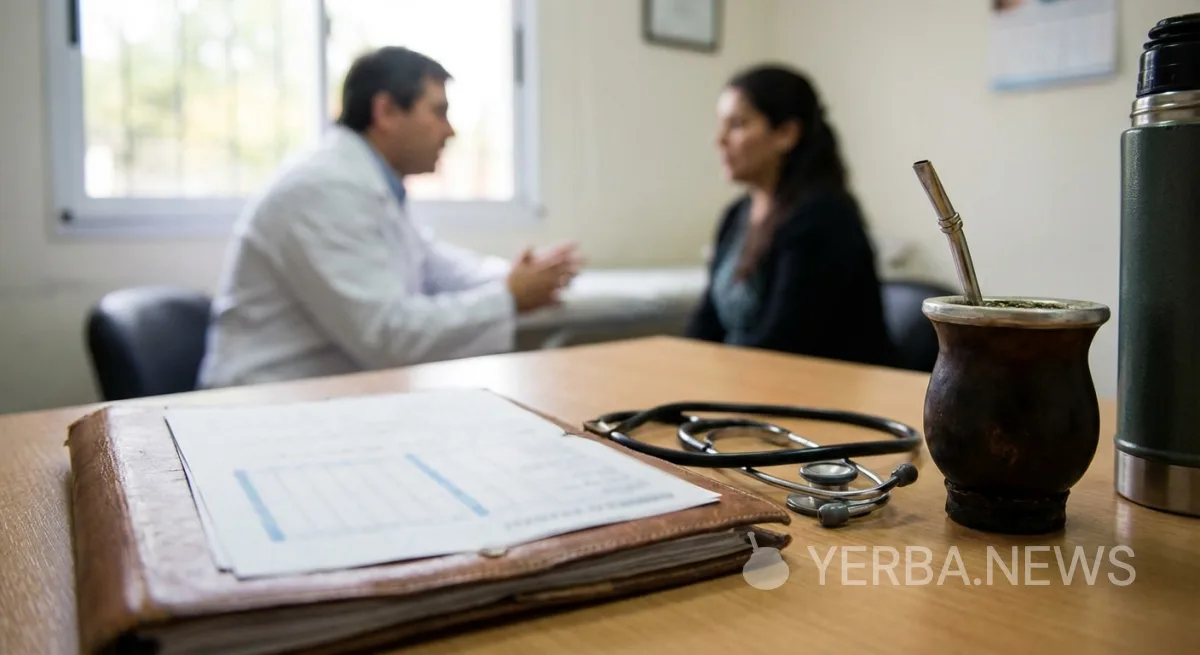
As yerba mate consumption continues its rapid expansion beyond South America — now available in mainstream retailers across North America, Europe, and increasingly Asia — medical professionals face a growing need to counsel patients on the beverage's evidence-based risk profile. Medical education platform MDLinx has published guidance drawing on clinical literature and pharmacological data to clarify what the science actually supports regarding yerba mate's potential health risks.
Polycyclic Aromatic Hydrocarbons (PAHs)
The most consistently documented chemical concern relates to polycyclic aromatic hydrocarbons — known carcinogens formed during the traditional smoke-drying (sapecado) process used to cure yerba mate leaves. PAHs, including benzo[a]pyrene, are produced when organic matter is exposed to incomplete combustion. While the quantity of PAHs that transfer from dried leaf into the aqueous infusion is generally lower than the total residue on the leaves themselves, heavy daily consumption over decades represents a cumulative exposure that epidemiological studies have associated with elevated cancer risk.
Notably, air-dried yerba mate products — which bypass the smoke-drying step — contain significantly lower PAH levels, and cold-brewed preparations further reduce PAH transfer into the beverage. These distinctions are not widely understood by consumers, and MDLinx recommends that clinicians inquire about preparation method when assessing a patient's risk profile.
The Hot Beverage Cancer Risk
Independently of PAH content, the International Agency for Research on Cancer (IARC) classifies the consumption of very hot beverages (above 65°C / 149°F) as 'probably carcinogenic to humans' (Group 2A). This classification applies to any hot beverage — including coffee and tea — but is particularly relevant to yerba mate because traditional consumption in South America frequently involves water heated to near-boiling temperatures. Epidemiological data from Uruguay, Brazil, and Argentina have documented elevated rates of esophageal cancer in populations consuming mate at high temperatures over prolonged periods.
Drug Interactions and Contraindications
- Caffeine content (70–85 mg per cup) may interact with blood pressure medications, cardiac drugs, and MAO inhibitors
- Caffeine can exacerbate anxiety disorders, insomnia, and irritable bowel syndrome
- May slow blood clotting — caution for patients on anticoagulant therapy or with bleeding disorders
- Not recommended during pregnancy or breastfeeding due to caffeine transfer and potential miscarriage risk
- May affect blood sugar control in diabetic patients
- Can increase intraocular pressure — relevant for glaucoma patients
- Rare cases of clinically apparent liver injury have been reported in medical literature
The Bottom Line for Patients
Medical experts emphasize that moderate yerba mate consumption — typically defined as two to three servings per day — is considered safe for most healthy adults. The key modifiable risk factors are temperature (allowing the beverage to cool below 65°C before drinking), preparation method (choosing air-dried over smoke-dried products when possible), and awareness of individual contraindications. For patients with pre-existing cardiovascular, hepatic, or gastrointestinal conditions, or those taking medications known to interact with caffeine, a clinician consultation before regular consumption is prudent.