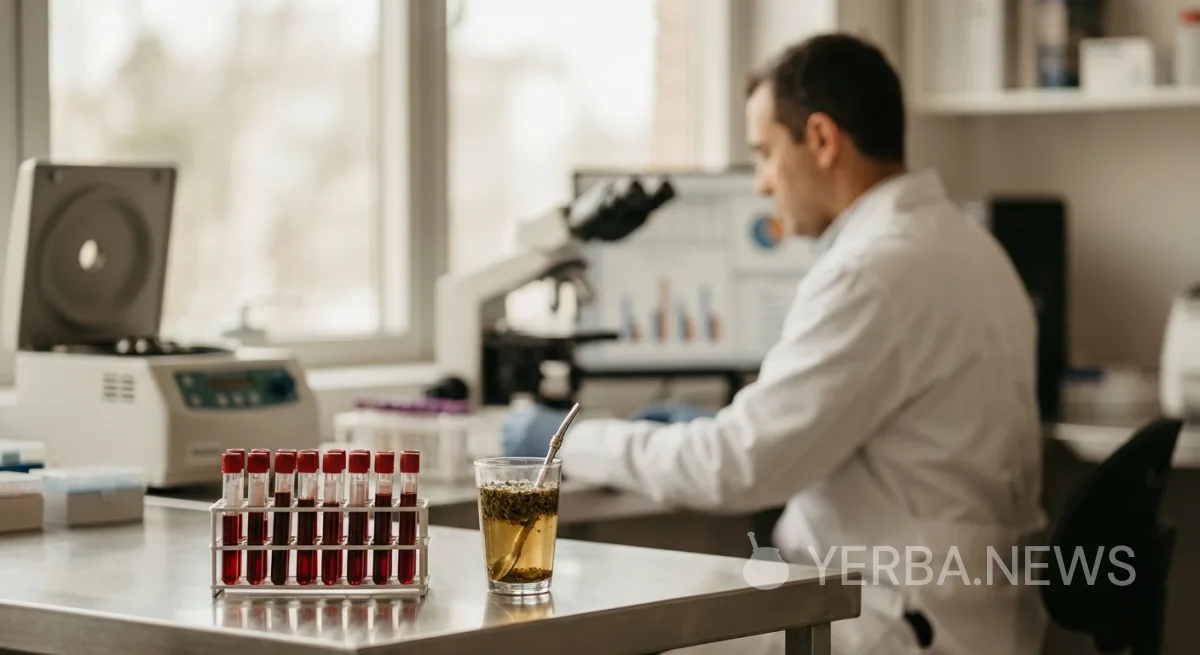
A randomized, controlled clinical trial published via the National Institutes of Health's PubMed database in 2024 has provided Level I evidence that regular yerba mate consumption produces measurable improvements in two key cardiometabolic parameters: circulating inflammatory biomarkers and serum antioxidant capacity. The study, which enrolled both healthy adults and individuals classified as being at moderate cardiovascular risk, represents one of the strongest methodological contributions to the yerba mate clinical literature to date.
Study Design and Key Findings
Participants assigned to the yerba mate intervention group consumed standardized infusions over the study period while controls received a matched placebo. Post-intervention analysis revealed statistically significant decreases in inflammatory biomarkers — including high-sensitivity C-reactive protein (hs-CRP) — alongside increases in total serum antioxidant capacity, as measured by validated assay methodologies. The dual effect — simultaneous anti-inflammatory and antioxidant modulation — is particularly relevant to cardiovascular risk reduction, as chronic low-grade inflammation and oxidative stress are recognized co-drivers of atherosclerotic disease progression.
Bioactive Mechanisms
Yerba mate's pharmacological profile is characterized by an unusually complex matrix of bioactive compounds. Over 200 distinct chemical constituents have been identified in Ilex paraguariensis, including polyphenols (chlorogenic acid, caffeic acid, rutin), xanthine alkaloids (caffeine, theobromine, theophylline), and triterpenoid saponins (matesaponins 1-5). The 2024 RCT adds to earlier in vitro and animal-model evidence suggesting that these compounds act synergistically — delivering combined benefits that exceed what any single constituent achieves in isolation.
A corroborating 2025 study, evaluating spray-dried yerba mate extract in capsule form, reported similar findings: participants demonstrated increased serum antioxidant capacity and decreased lipid peroxidation biomarkers, reinforcing the consistency of yerba mate's antioxidant effects across different preparation methods. Together, these studies strengthen the evidence base for considering yerba mate not merely as a recreational beverage but as a dietary component with demonstrable cardiometabolic relevance.