
The global yerba mate market is on track to nearly double in value over the next decade, according to a sweeping new analysis by Market.us that projects the industry will surge from approximately $2 billion in 2024 to $3.4 billion by 2034 — a compound annual growth rate of 4.9% that outpaces many traditional beverage categories.
The report highlights a significant geographic shift in consumption patterns. While South America remains the heartland of yerba mate culture, Asia-Pacific has emerged as the most dynamic growth region, commanding a remarkable 45.9% share of the global market. This expansion is being driven primarily by health-conscious consumers in Japan, South Korea, and Australia who are gravitating toward yerba mate as a natural alternative to synthetic energy drinks.
Organic Premium Drives Value Growth
Perhaps the most significant finding in the report is the accelerating premiumization of the yerba mate category. Organic-certified products now represent the fastest-growing segment, commanding price premiums of 30-50% over conventional offerings. As reported by Market.us, approximately 70% of major yerba mate brands have obtained or are pursuing organic certification, responding to international importers who increasingly require third-party quality verification.
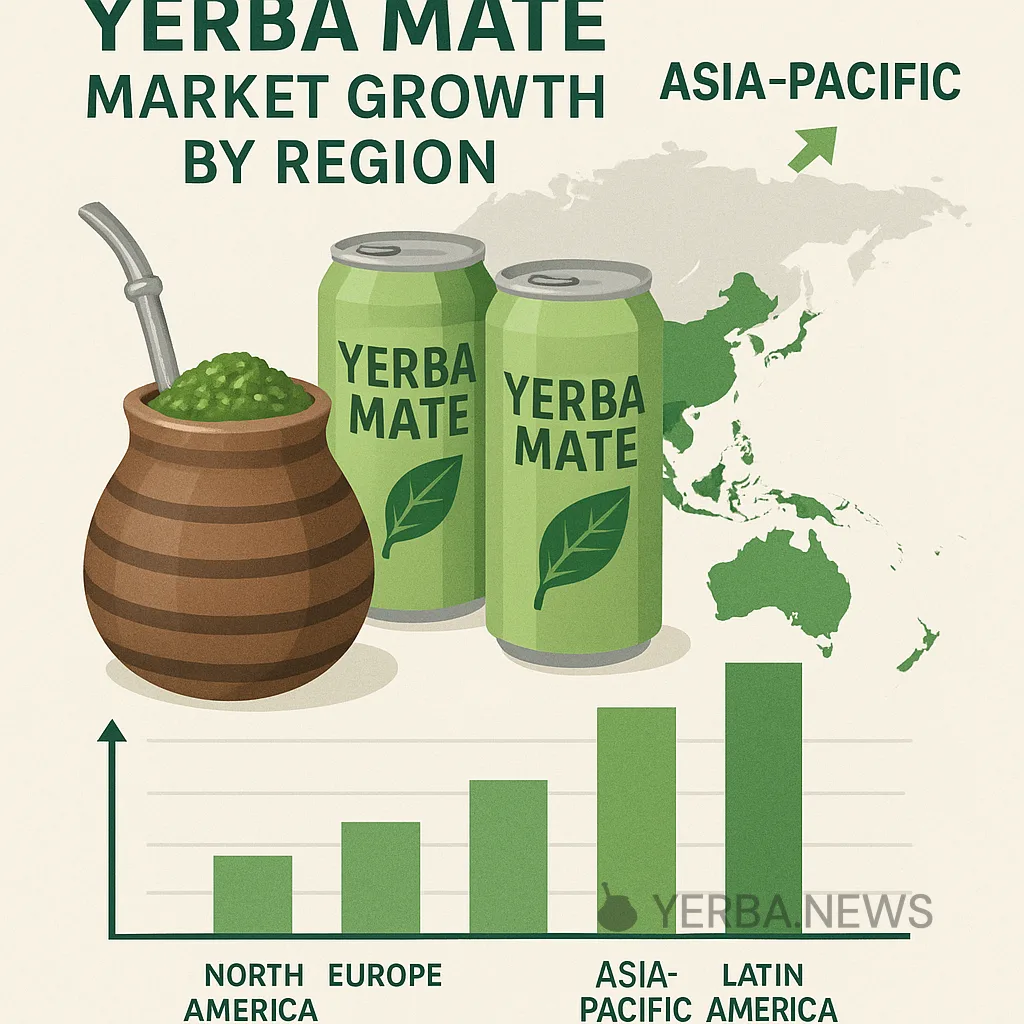
The ready-to-drink (RTD) format has emerged as the primary growth engine for market expansion, with year-on-year sales increases of 65% reported across key international markets. This convenience-driven format has proven particularly effective in introducing yerba mate to consumers unfamiliar with traditional preparation methods, effectively lowering the barrier to entry for first-time buyers.
Supply Chain Under Pressure
The surge in global demand has placed unprecedented pressure on production infrastructure. Processing facilities across Argentina, Brazil, and Paraguay have collectively increased capacity by approximately 30% over the past two years, yet industry analysts warn that supply chain constraints could emerge if growth continues at the current trajectory. The three-to-five year maturation period for new yerba mate plantations means that production cannot scale as rapidly as demand.
For investors and industry participants, the market fundamentals remain compelling: a growing consumer base extending well beyond traditional markets, rising health consciousness driving premium product adoption, and a production bottleneck that supports strong pricing power for established producers. The billion-dollar question is whether the industry can scale sustainably without compromising the artisanal quality that distinguishes yerba mate from its competitors in the functional beverage space.